Payment Processing and Recovery

Recover failed payments before they become churn

How dunning timing, retry schedules and card-update prompts decide whether an involuntary decline turns into a recovered invoice or a lost subscriber.

Close view of a laptop on a wooden desk showing a billing dashboard with a failed payment row highlighted, a coffee cup and notebook beside it, morning window light

Build a billing operation you can audit

Three practical areas where clearer subscription data changes the decisions you make about pricing, recovery and churn.

01

See where failed payments actually go

Dunning outcomes depend on retry timing, card update prompts and how you segment involuntary churn from voluntary cancellations. Our articles walk through recovery flows step by step so you can tell a soft decline from a dead card and stop counting both as the same lost customer.

Payment recovery guides
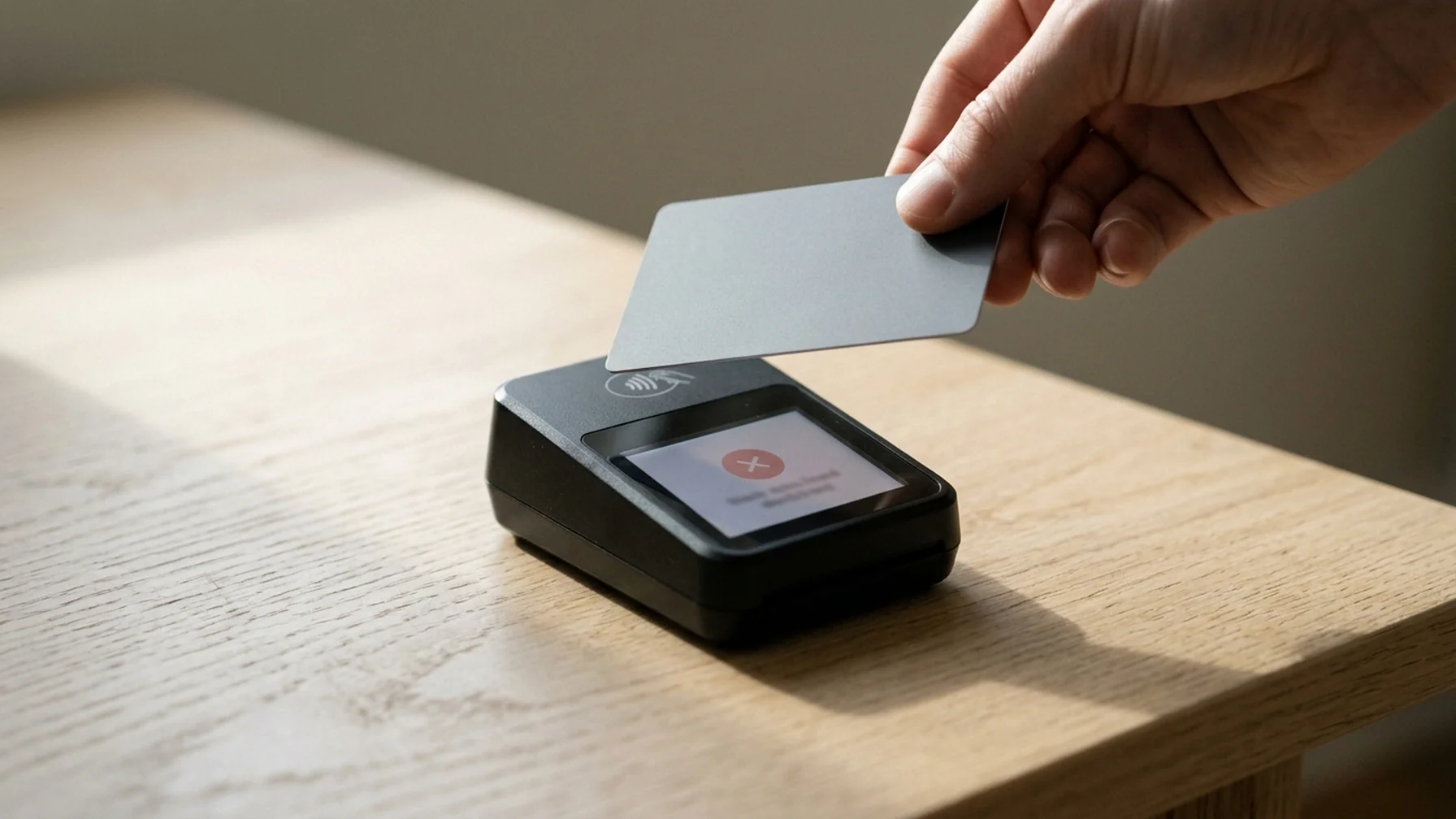

Close-up of a payment terminal screen showing a declined transaction, a hand holding a card nearby on a light wooden desk

02

Pick revenue metrics that survive a board review

MRR, ARR, net revenue retention and expansion revenue each answer a different question, and mixing them produces numbers nobody can defend. The guides explain which inputs feed each metric, where committed versus billed revenue diverge, and how to present the same figures consistently across months.

SaaS revenue metrics
A laptop on a desk showing a simple line chart, with a notebook of handwritten figures and a coffee cup beside it

03

Test pricing changes before you announce them

Plan changes and seat-based tiers shift both revenue and churn, and the effects rarely show up in the same month. Read how to model packaging options against your existing subscriber mix, what to watch in the first billing cycles after a change, and how to sequence grandfathering so support volume stays manageable.

Pricing and packaging
Printed pricing tier cards laid out on a table with colored sticky notes marking three plan options
A laptop on a wooden desk showing a payment failure queue, next to a printed retry schedule and a cup of coffee in morning light.

Payment Recovery

Cut Involuntary Churn Before It Hits Revenue

Failed cards cause most involuntary churn, and most of it is recoverable with retries timed to how card issuers actually respond.

  • Classify declines by reason code instead of retrying every failure the same way
  • Space retries around issuer response windows, not fixed 24-hour gaps
  • Send a card-update prompt before the final retry, not after the subscription cancels
Read payment recovery articles

Payment Recovery Without Guesswork

Failed payments are the largest controllable source of involuntary churn, and the fix is operational, not motivational.

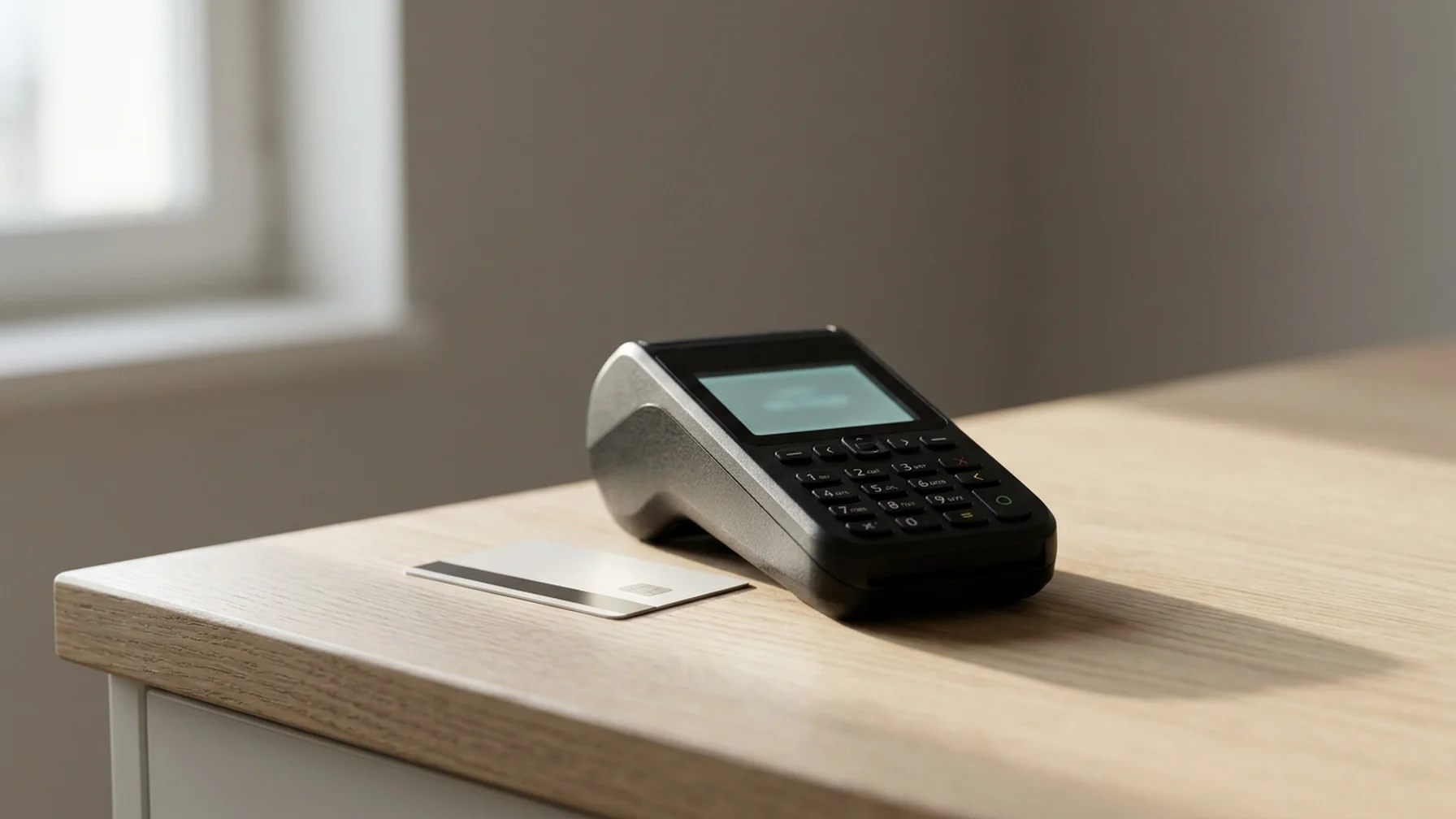
Close-up of a payment terminal screen showing a declined transaction, a card resting beside it on a pale wooden counter, soft morning window light.

Retry timing that follows card networks

Most declines are soft: insufficient funds, issuer timeouts, temporary holds. Retrying on the same day rarely helps. Space attempts across payday cycles and issuer response windows, and stop retrying hard declines such as closed accounts or stolen cards.

Retry and dunning setup
A person reviewing an email on a laptop at a kitchen table, a physical card held in one hand, warm afternoon light across the tabletop.

Dunning messages people actually read

A dunning email that leads with the amount, the card ending, and a one-click update link gets more recoveries than a message about account suspension. Send the first notice within hours of the failure, not days, while the purchase is still in mind.

Dunning message structure
Hands typing a new card number into a billing portal form on a desktop monitor, office desk with a keyboard and plant, even indoor light.

Card updater and account portals

Network card updater services replace expired or reissued cards before the next charge, which removes a whole class of failures. Pair that with a self-serve billing portal so customers can swap a card without contacting support.

Card updater basics

Subscription billing operations

Involuntary churn hides in failed payments

A declined card is not always a lost customer. Recovery depends on how quickly you retry, which decline codes you treat differently, and whether dunning messages reach the person who can fix the payment.

Read billing operations articles

Newsletter

Get new billing operations articles by email

Occasional articles on dunning, invoice retries and revenue reporting, written for the people who run the billing stack.

We send articles only. Your address is used for this newsletter and nothing else, and every email has an unsubscribe link.